Electrical equipment is an essential part of almost every modern workplace. From computers and office equipment through to power tools, machinery, appliances, and specialised equipment, businesses rely on electricity every day to keep operations running. However, damaged electrical equipment can create serious workplace hazards, including electric shock, burns, equipment damage, and even electrical fires.
For businesses in Mansfield and across Brisbane, electrical safety is not something that should be overlooked. Electrical testing and tagging is a practical way to identify potential problems before they become dangerous and to support a safer workplace environment for employees, customers, contractors, and visitors.
At Safe1Electrical, we help Queensland businesses maintain safer workplaces by providing professional electrical services, including testing and tagging solutions designed around the needs of commercial and industrial environments.
What Is Electrical Testing and Tagging?
Electrical testing and tagging is the process of inspecting electrical equipment, checking for visible damage, testing electrical safety functions, and attaching a tag that records the inspection details. The purpose of this process is to confirm that portable electrical equipment is safe to use and that any potential hazards are identified.
A visual inspection is an important part of the process. An experienced electrician will check equipment for issues such as damaged cables, exposed wires, cracked plugs, missing components, or signs of overheating. Equipment that appears damaged may require repair or removal from service before it can be safely used again.
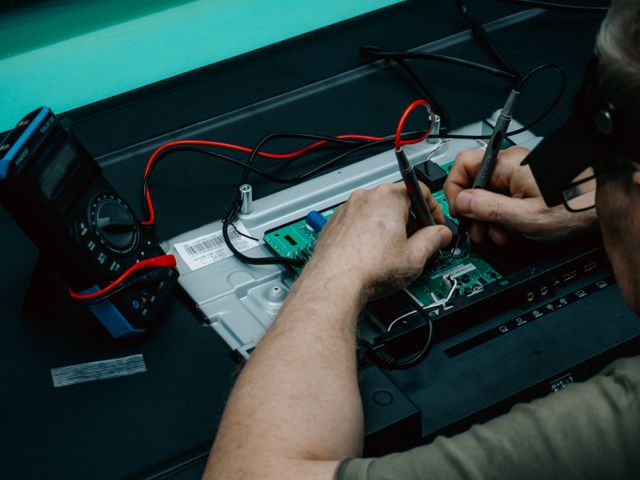
Electrical testing involves specialised equipment that checks whether electrical appliances meet required safety standards. This can include testing insulation resistance, earth continuity, polarity, and leakage current depending on the type of equipment being assessed.
Once equipment has been inspected and tested, a tag is attached showing information such as the date of testing, the person or company responsible for the inspection, and when the next inspection is due.
Why Testing and Tagging Is Important for Queensland Businesses
Electrical hazards in workplaces can occur without obvious warning. A piece of equipment may look perfectly normal while having an internal fault that creates a risk of electric shock or electrical failure.
Queensland businesses have obligations under Work Health and Safety requirements to manage risks associated with electrical equipment. The specific requirements for testing and tagging depend on factors such as the workplace environment, the type of equipment being used, and the level of risk involved.
Regular testing and tagging helps businesses demonstrate that they are actively managing electrical safety risks. It forms part of a broader workplace safety approach that includes proper maintenance, employee awareness, and safe operating procedures.
For business owners, electrical safety is not only about meeting workplace responsibilities. It is also about protecting employees, reducing downtime, and preventing avoidable accidents that could affect business operations.
How Often Does Electrical Equipment Need Testing and Tagging?
The required frequency of testing and tagging depends on the industry and the conditions in which electrical equipment is used.
Queensland Work Health and Safety requirements recognise that different workplaces have different levels of risk. Some environments require electrical equipment to be tested as frequently as every three months, while lower-risk environments may allow longer periods between inspections, potentially up to five years.
Higher-risk environments generally include workplaces where equipment is exposed to conditions such as moisture, dust, heat, heavy use, construction activity, or harsh operating conditions. Examples may include construction sites, workshops, manufacturing facilities, and outdoor work areas.
Lower-risk environments, such as some office settings, may have longer testing intervals because equipment is usually operated in cleaner, drier conditions with less physical stress.
It is important that businesses do not simply apply a standard testing schedule without considering their actual workplace conditions. A professional electrician can help determine an appropriate testing and tagging frequency based on the equipment, environment, and risks involved.
Industries That Benefit from Professional Testing and Tagging
Almost every business that uses electrical equipment can benefit from regular testing and tagging. However, some industries have particularly strong safety requirements due to the nature of their work.
Construction businesses often use portable tools, extension leads, and electrical equipment in demanding environments where equipment can easily become damaged. Regular testing helps identify faults before tools are used on site.
Hospitality businesses rely on electrical appliances every day, including kitchen equipment, refrigeration, coffee machines, and cleaning equipment. Maintaining electrical safety helps protect staff and customers while supporting uninterrupted operations.
Offices may appear to have lower electrical risks, but computers, printers, power boards, kitchen appliances, and other electrical devices still require proper inspection and maintenance.
Workshops, factories, and industrial businesses often operate machinery and electrical equipment under heavy workloads. Regular inspections can help reduce the risk of electrical failures affecting productivity and workplace safety.
Retail businesses, schools, childcare facilities, medical environments, and community organisations may also require appropriate electrical safety programs to protect workers and the public.
The Benefits of Choosing a Qualified Mansfield Electrician
Electrical testing and tagging should always be carried out by someone with appropriate knowledge, training, and equipment. Professional testing provides greater confidence that inspections are completed correctly and that potential hazards are properly identified.
Working with a local Mansfield electrician gives businesses access to professional advice that considers their specific workplace requirements. Rather than treating testing and tagging as a simple administrative task, a qualified electrician can help identify broader electrical safety improvements.
Professional electrical services also provide accurate documentation. Maintaining records of testing and inspections helps businesses keep track of equipment history, upcoming testing requirements, and workplace safety activities.
Keep Your Business Electrically Safe
Electrical safety should be an ongoing priority for every Queensland business. Faulty equipment can create risks that affect employees, customers, property, and business continuity.
Electrical testing and tagging provides an effective way to identify hazards, maintain safer equipment, and support compliance with workplace safety responsibilities. Whether your business requires testing every few months or less frequently, having a clear electrical safety plan is an important investment.
Safe1Electrical provides professional electrical services for businesses in Mansfield and surrounding areas. Our experienced team helps commercial customers maintain safer workplaces through reliable electrical inspections, testing, and maintenance solutions.
By keeping your electrical equipment properly maintained and regularly tested, you can reduce risks, protect your team, and create a safer environment for everyone who interacts with your business.