Electrical problems can start with something as simple as a power point that stops working or a circuit breaker that keeps tripping. While some electrical faults may appear minor, they can sometimes indicate a more serious problem within the electrical system of your home or business. A Faulty Switch Board, damaged power point or persistent electrical fault should always be treated seriously and investigated by a qualified electrician.
For property owners in Mansfield, having access to a local electrician who can identify the cause of an electrical problem and repair it properly can make all the difference. Whether you have a single power point that has stopped working, an aging switchboard, flickering lights or repeated circuit breaker trips, professional electrical fault finding can identify the problem and restore your electrical system safely.
Why electrical faults should not be ignored
Electricity is an essential part of modern life, but electrical equipment and wiring can deteriorate over time. Connections can become loose, components can fail, insulation can deteriorate and electrical accessories can become damaged through normal use.
A fault may initially present itself as an inconvenience. A power point might stop supplying electricity, a safety switch may trip occasionally or lights may flicker when particular appliances are operating. It can be tempting to simply reset the breaker or stop using the affected outlet.
However, repeatedly resetting a circuit breaker without identifying why it is tripping does not solve the underlying problem. The protective device may be responding to an overload, short circuit, earth fault or another electrical issue.
A qualified electrician can investigate the fault and determine whether the problem is isolated to an individual appliance, power point, circuit or the switchboard itself.
Common signs of a faulty power point
Power points are used constantly in most homes, and they can experience considerable wear and tear.
One of the clearest warning signs is a power point that feels unusually warm. Discoloration, cracking, scorch marks or a burning smell are also reasons to stop using the outlet and have it inspected.
Other warning signs can include buzzing or crackling noises, intermittent power, loose plugs or a power point that has become physically loose from the wall.
A power point that repeatedly causes a circuit breaker or safety switch to trip should also be investigated.
The fault may be within the outlet itself, but it could also be associated with wiring, another device connected to the circuit or an electrical appliance.
It is important not to assume that replacing the visible power point will necessarily solve the problem.
When the switchboard is the problem
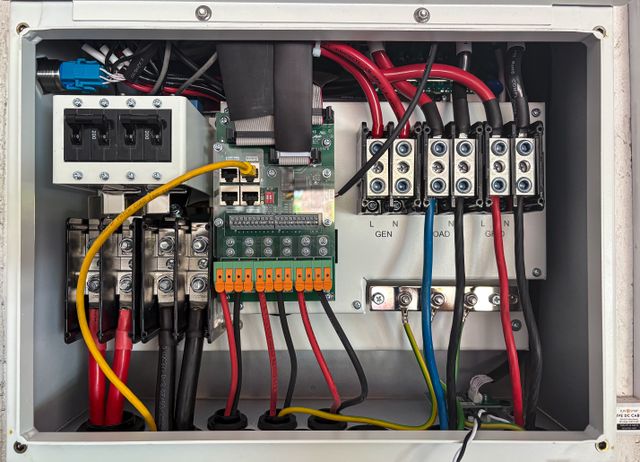
The switchboard is one of the most important components of a property’s electrical system. It distributes electricity throughout the building and contains protective devices designed to disconnect circuits when certain electrical faults occur.
Older switchboards may contain outdated components that no longer provide the level of protection expected from a modern electrical installation.
Signs that a switchboard may require attention include frequently tripping breakers, damaged components, burning smells, unusual noises, overheating or insufficient capacity for the property’s electrical requirements.
Renovations and changes in household electricity use can also expose limitations in an older switchboard. Modern homes may have substantially more electrical equipment than the electrical system was originally designed to accommodate.
Air conditioning, induction cooking, electric hot water systems, pool equipment, solar systems, electric vehicle chargers and other high-demand equipment can all affect the electrical requirements of a property.
An electrician can assess the switchboard and determine whether repairs, replacement components or an upgrade are appropriate.
What causes circuit breakers to trip?
Circuit breakers and safety switches are designed to protect people and electrical installations. A trip should therefore not automatically be regarded as a nuisance.
One possible cause is an overloaded circuit. If too many high-powered appliances are operating on the same circuit, the protective device may disconnect the supply.
A short circuit is another possibility. This can occur when conductors that should remain electrically separated come into contact.
A safety switch can also trip when it detects an imbalance associated with current flowing through an unintended path, such as an earth fault.
Faulty appliances can sometimes be responsible as well.
Determining which of these possibilities is responsible requires proper fault finding. Simply switching the breaker back on does not establish why it operated in the first place.
Flickering lights can indicate an electrical problem
Flickering lights are another symptom that should not automatically be dismissed.
Occasional changes associated with particular equipment can have different causes from persistent flickering, but repeated or unexplained flickering deserves investigation.
The issue could involve a light fitting, lamp, switch, connection, circuit or another part of the electrical installation.
If several lights throughout a property are behaving unusually, the issue may be more significant than an individual fitting.
A qualified electrician can inspect the relevant circuits and determine whether the problem is located at the fitting or elsewhere in the electrical installation.
Fault finding requires more than replacing components
Professional electrical fault finding is about identifying the cause rather than simply replacing the component that appears to have failed.
For example, if a power point has stopped working, the visible outlet may not be the source of the problem. The electrician may need to determine whether the circuit is receiving power, whether a protective device has operated, whether there is a wiring issue or whether another point on the circuit is involved.
This approach is important because replacing a component without identifying the underlying cause can leave the original fault unresolved.
Electrical testing equipment can help an electrician investigate circuits systematically and identify problems that are not immediately visible.
Electrical repairs in Mansfield homes
Mansfield contains a mixture of established homes, renovated properties and newer developments. Electrical systems can therefore vary considerably between properties.
An older home may have electrical components that have been in service for many years, while a renovated property may have had additional circuits installed to accommodate modern appliances and equipment.
In either situation, electrical faults should be assessed according to the actual installation rather than assumptions based on the property’s age.
A local electrician can investigate problems such as faulty power points, defective switches, circuit breaker trips, lighting faults, damaged electrical accessories and switchboard issues.
The appropriate repair will depend on what testing reveals.
Why qualified electrical work matters
Electrical work is not an appropriate area for improvised repairs. Incorrect electrical work can create risks of electric shock, equipment damage or fire.
In Queensland, electrical work is regulated, and electrical installation work generally needs to be carried out by appropriately licensed electrical professionals.
This is particularly important when dealing with switchboards, wiring faults and circuits that may contain dangerous voltages even when a particular appliance appears to be switched off.
Homeowners should avoid removing switchboard covers, opening electrical accessories or attempting to repair damaged wiring themselves.
If an electrical component appears damaged, isolate the area where possible without putting yourself at risk and arrange for a qualified electrician to investigate.
Power points for renovations and new appliances
Sometimes an electrical problem is not caused by a failure at all. It can result from an electrical installation no longer matching the way a property is being used.
Renovations often introduce additional lighting, appliances, power points and electrical equipment. Kitchens, laundries, outdoor entertaining areas and home offices can all increase demand.
Installing a new high-powered appliance may also require consideration of the existing circuit and electrical capacity.
Rather than adding equipment and discovering problems afterwards, homeowners can have their electrical system assessed before major changes are made.
An electrician can determine whether additional circuits, outlets or switchboard work may be required.
Don’t ignore a burning smell or visible damage
Some electrical warning signs deserve immediate attention.
A burning smell coming from a power point or switchboard, visible scorching, smoke, sparks or severe overheating should not be treated as an ordinary electrical inconvenience.
Do not continue using equipment that appears unsafe.
If there is an immediate danger, leave the area and contact emergency services where appropriate. Otherwise, arrange for a qualified electrician to assess the installation as soon as possible.
Electrical faults can sometimes remain hidden until a component becomes significantly damaged, so early investigation can be preferable to waiting for a complete failure.
Your Mansfield electrician for electrical faults
A faulty power point or switchboard problem can be frustrating, particularly when it interrupts everyday life. More importantly, however, an electrical fault can be a warning that something within the electrical installation requires attention.
Whether the issue involves a single outlet, repeated circuit breaker trips, flickering lights, damaged switches or an aging switchboard, professional fault finding can establish what is actually happening.
For homeowners and businesses in Mansfield, the sensible approach is to have electrical faults assessed by a qualified electrician rather than repeatedly resetting breakers or attempting DIY repairs.
The objective should not simply be to make the electricity work again. It should be to identify the cause of the fault, carry out the appropriate repair and ensure the electrical installation is operating safely.
When an electrical problem appears, don’t ignore the warning signs. A small electrical fault can be much easier to address when it is identified early, before it develops into a larger problem.