Circuit breakers are designed to protect your home from electrical overloads, short circuits, and faulty appliances. When they operate correctly, they interrupt power before damage or danger occurs. However, when circuit breakers begin tripping frequently, it is a clear indication that something in the electrical system is not functioning as it should.
Frequent tripping is not normal behaviour and should not be ignored. It is a symptom of an underlying issue that needs to be identified and resolved. In residential properties across Mansfield and surrounding areas, repeated breaker trips are often linked to a small number of predictable causes that can be systematically assessed by a qualified electrician.
Understanding what is happening inside the electrical system is the first step toward restoring safety, reliability, and consistent power supply.
How Circuit Breakers Work in a Home Electrical System
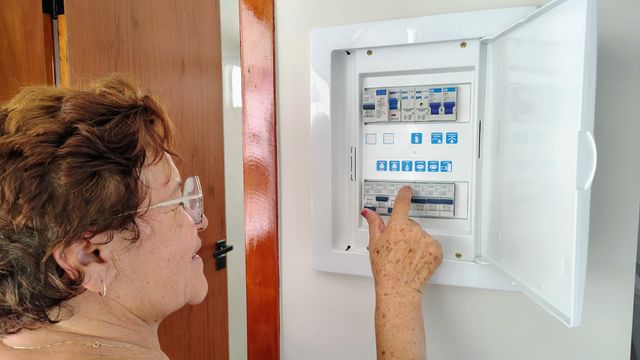
Circuit breakers are safety devices installed in the switchboard. Their role is to automatically shut off electrical supply when the current flowing through a circuit exceeds safe limits. Each circuit in a home is designed to handle a specific load, based on the wiring size and intended use.
When demand exceeds this safe threshold, the breaker “trips” to prevent overheating of cables and potential fire hazards. This protective response is fast and automatic, and it is essential for maintaining electrical safety.
There are several types of protective devices commonly found in homes, including standard circuit breakers and residual current devices (RCDs), which provide additional protection against electric shock.
When either device trips repeatedly, it indicates a fault condition that requires investigation rather than reset without understanding the cause.
Common Causes of Circuit Breakers Tripping
There are several common reasons why circuit breakers may trip frequently. In most residential cases, the issue falls into one of a few categories.
One of the most common causes is circuit overload. This occurs when too many electrical devices are running on the same circuit at the same time. Another frequent cause is a faulty appliance that draws irregular current or develops an internal short. Wiring issues, ageing infrastructure, and moisture ingress can also contribute to repeated trips.
While the symptoms may appear similar at the switchboard, the underlying causes can vary significantly, which is why correct diagnosis is important.
Electrical Overloads and Excessive Demand
Electrical overloads occur when the total load on a circuit exceeds its designed capacity. Modern households place significantly higher demand on electrical systems than older installations were designed to handle.
Common contributors to overloads include:
- air conditioners operating alongside other high-demand appliances
- kettles, microwaves, and toasters running simultaneously
- heaters during colder months
- multiple devices charging on the same circuit
- extension leads and power boards increasing load concentration
When too many devices draw power at once, the circuit becomes overloaded and the breaker trips to prevent overheating.
Overloads are often more noticeable in kitchens, laundries, and living areas where multiple high-wattage appliances are used together.
Faulty Appliances and Internal Electrical Failures
Appliances can develop internal faults over time that cause intermittent or consistent tripping of circuit breakers. These faults may not always be visible externally and can occur gradually as components degrade.
Common problematic appliances include:
- older refrigerators or freezers with failing compressors
- washing machines with motor or heating element faults
- dishwashers with water ingress into electrical components
- portable heaters with damaged elements
- power tools with worn internal wiring
When a faulty appliance is connected, it can cause the breaker to trip immediately or after a short period of operation.
Identifying whether a single appliance is responsible often requires systematic isolation and testing by a qualified electrician.
Wiring Faults and Ageing Electrical Infrastructure
Electrical wiring deteriorates over time, particularly in older homes where installations may not meet current standards or demand levels. Insulation breakdown, loose connections, and degraded terminals can all lead to intermittent faults.
These issues are often hidden within walls, ceilings, or switchboard enclosures, making them difficult to detect without proper testing equipment.
Warning signs of wiring issues may include:
- frequent tripping on a specific circuit
- flickering lights
- burning smells near outlets or switches
- discoloured power points
- intermittent power loss
Ageing wiring increases resistance and heat generation, which can eventually lead to breaker tripping as a protective response.
The Difference Between Circuit Breakers and RCDs
Many homeowners confuse circuit breakers with residual current devices, but they serve different protective functions.
Circuit breakers primarily protect wiring from overloads and short circuits.
RCDs, on the other hand, monitor electrical current balance and trip when they detect leakage to earth, which can indicate a potential electric shock hazard.
If an RCD is tripping, the cause may be related to moisture, damaged appliances, or insulation failure. If a circuit breaker is tripping, the issue is more likely related to overload or short circuit conditions.
Understanding which device is tripping helps narrow down the potential cause, but accurate diagnosis still requires professional testing.
What You Should Not Do When Breakers Keep Tripping
When a circuit breaker trips repeatedly, it can be tempting to keep resetting it without investigating the cause. This approach can increase risk and may lead to further electrical damage or safety hazards.
Homeowners should avoid:
- repeatedly resetting a breaker without identifying the fault
- using higher-rated breakers as a “quick fix”
- bypassing safety devices
- continuing to use a circuit that trips under load
- ignoring burning smells or visible electrical damage
Circuit breakers are designed to protect both property and occupants. Repeated tripping is a warning sign that should be taken seriously.
When to Call a Licensed Electrician
If circuit breakers are tripping frequently, professional assessment is required to identify and resolve the underlying issue safely.
A licensed electrician will typically:
- test circuits to identify overloads or faults
- inspect switchboard condition and configuration
- test appliances for electrical faults
- assess wiring integrity and insulation condition
- verify correct circuit loading and distribution
- recommend repairs or upgrades where required
In Mansfield and surrounding suburbs, Safe1Electrical provides diagnostic and repair services for residential electrical faults, including persistent breaker tripping issues. A structured inspection allows faults to be identified safely without exposing occupants to unnecessary risk.
Preventing Future Circuit Breaker Trips
While some electrical faults are unavoidable, many circuit breaker issues can be reduced through proper system design and usage habits.
Preventative measures include:
- avoiding overloading power boards and double adaptors
- distributing high-demand appliances across different circuits
- upgrading older switchboards to meet modern electrical loads
- replacing faulty or ageing appliances
- scheduling periodic electrical inspections
- ensuring outdoor and wet-area wiring is adequately protected
Electrical systems should evolve alongside household demand. As more appliances, devices, and systems are added to a home, electrical capacity must remain appropriate to avoid ongoing strain.
Conclusion
Frequent circuit breaker tripping is a clear indication that an electrical system is under stress or experiencing a fault condition. Whether caused by overloads, faulty appliances, wiring issues, or ageing infrastructure, the underlying problem should be properly identified rather than repeatedly reset.
Circuit breakers are essential safety devices designed to protect homes from electrical hazards. When they operate frequently, they are performing their intended function by signalling that something is wrong.
Safe1Electrical, as a Mansfield electrician service, supports homeowners in diagnosing and resolving these issues to restore safe and reliable electrical performance throughout the property.