Electrical safety testing verification is an essential process used to confirm that electrical installations operate safely, comply with Australian standards, and minimise the risk of electric shock, equipment damage, or fire. Every electrical installation, whether residential, commercial, or industrial, should undergo proper testing and verification to ensure all components function correctly and safely under normal operating conditions.
Certified electrical safety testing is not simply a recommendation. In many situations it is a legal requirement. Electrical systems can deteriorate over time due to environmental conditions, age, moisture, heat, physical damage, poor workmanship, or overloading. Even new installations require verification before they are considered safe for use.
Electrical verification testing involves inspecting, measuring, and testing electrical systems using specialised equipment and procedures. The process helps identify hidden faults that may not be visible during a standard visual inspection.
Why Electrical Safety Testing Is Important
Electrical faults can create serious hazards. Faulty wiring, damaged insulation, overloaded circuits, loose connections, and improperly installed equipment all increase the risk of electrical fires and electrocution.
Safety testing verification helps identify these problems before they become dangerous. Certified testing ensures electrical systems meet safety standards and perform correctly under load conditions.
Testing also provides peace of mind for property owners, facility managers, landlords, business operators, and homeowners. When electrical systems are professionally tested and verified, occupants can have greater confidence that the installation is operating safely.
In commercial and industrial environments, electrical faults may also lead to equipment downtime, data loss, production interruptions, and financial losses. Preventative testing reduces the likelihood of unexpected failures and helps businesses maintain operational continuity.
Types of Electrical Installations That Require Testing
Electrical safety testing applies to a wide range of installations across different property types and industries.
Residential properties require testing during new construction, renovations, switchboard upgrades, smoke alarm installations, and fault investigations. Older homes may also require testing to identify ageing or non-compliant wiring systems.
Commercial buildings often require ongoing verification due to higher electrical demands and workplace safety obligations. Offices, retail stores, restaurants, schools, medical clinics, and accommodation facilities all rely on safe electrical infrastructure.
Industrial sites generally require more extensive testing due to complex machinery, heavy equipment, and high-voltage systems. Manufacturing plants, warehouses, processing facilities, and workshops commonly undergo scheduled testing and maintenance programs.
Testing is also important for temporary electrical installations, solar power systems, construction sites, data centres, emergency systems, and specialised equipment installations.
What Is Included in Electrical Safety Verification
Certified electrical safety verification involves multiple stages of inspection and testing. The exact procedures depend on the type of installation and the purpose of the inspection.
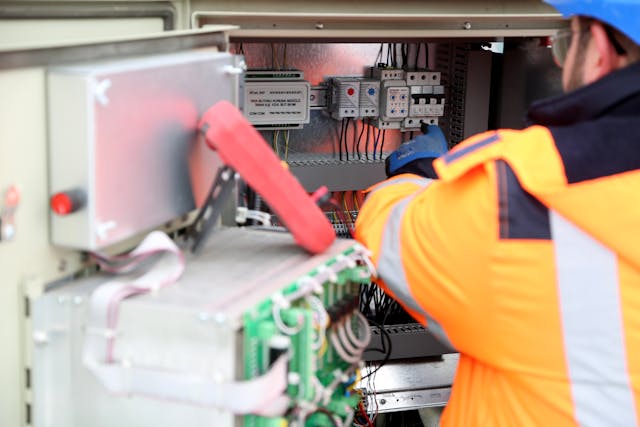
Visual inspections are usually the first step. Electricians assess switchboards, outlets, cabling, earthing systems, safety switches, circuit protection devices, and accessible electrical components for visible signs of damage or non-compliance.
Electrical testing may include insulation resistance testing, continuity testing, polarity checks, fault loop impedance testing, RCD testing, earth resistance testing, and voltage verification.
Safety switches are commonly tested to confirm they trip correctly during fault conditions. This is important because faulty or non-operational RCDs may fail to protect occupants from electric shock.
Verification testing also confirms correct circuit operation, adequate earthing, and compliance with relevant electrical standards.
Documentation is another important part of the process. Certified testing generally includes written reports outlining the results, identified faults, recommendations, and confirmation of compliance where applicable.
Compliance With Australian Standards
Electrical installations in Australia must comply with strict safety regulations and standards. Certified testing verification helps ensure installations meet these requirements.
AS/NZS 3000, commonly referred to as the Wiring Rules, establishes the primary standards for electrical installations in Australia. Compliance with these standards is essential for safety and legal purposes.
Additional standards may apply depending on the type of installation, equipment, or environment involved. Commercial and industrial sites may also have workplace safety obligations under Australian workplace health and safety legislation.
Certified electricians performing testing and verification must understand these requirements and use approved testing procedures and calibrated equipment.
Failure to comply with electrical standards can expose property owners and businesses to legal liability, insurance complications, fines, or increased safety risks.
The Importance of Regular Testing and Maintenance
Electrical systems are not static. Over time, normal use and environmental exposure can gradually affect the condition of wiring and electrical components.
Regular testing allows electricians to detect deterioration before major failures occur. Preventative maintenance helps reduce repair costs and extends the lifespan of electrical systems and equipment.
Commercial properties and industrial facilities often implement scheduled electrical testing programs as part of their safety management systems. These inspections help maintain compliance while reducing the risk of operational disruptions.
Older properties can particularly benefit from periodic testing. Many older homes and buildings may contain outdated switchboards, deteriorated cabling, insufficient circuit protection, or ageing electrical fittings that no longer meet current safety expectations.
Electrical safety verification is also valuable after severe weather events, flooding, storm damage, renovations, or electrical faults. These events may compromise electrical safety even when damage is not immediately visible.
Common Problems Identified During Electrical Testing
Certified testing frequently identifies hidden electrical issues that may otherwise remain undetected.
Some of the most common problems include damaged insulation, overloaded circuits, loose terminations, defective safety switches, improper earthing, voltage irregularities, and deteriorated wiring.
In some properties, electricians also discover illegal DIY electrical work, incorrect circuit protection, non-compliant switchboards, or unsafe modifications performed by unlicensed individuals.
Faulty smoke alarm installations and incorrectly connected solar systems may also be identified during broader electrical safety inspections.
Early detection of these issues significantly reduces the risk of injury, electrical fire, or major system failure.
Electrical Safety Verification Protects People and Property
Certified electrical safety testing verification plays a critical role in protecting homes, businesses, workers, and the broader community. Electrical faults are often hidden from view, making professional testing essential for identifying risks before serious incidents occur.
Whether for residential homes, commercial premises, industrial facilities, or specialised installations, electrical verification helps ensure systems operate safely, efficiently, and in accordance with Australian standards.
Regular testing, preventative maintenance, and professional certification all contribute to safer electrical environments and reduced risk for property owners and occupants alike.