Preparing for storms and cyclones is part of everyday life. Brisbane residents know that weeks of sunshine can quickly be replaced by heavy rain, destructive winds, and violent electrical storms. Most homeowners think first about clearing gutters, trimming trees, and securing loose outdoor items. These steps are important, but one of the most critical systems in your home often receives far less attention: your electrical infrastructure. For safe1electrical, a Brisbane electrician committed to safety and reliability, storm readiness begins with making sure your electrical system is strong, compliant, and protected long before the first warning is issued.
Electrical systems are uniquely exposed during severe weather. Water, lightning, and wind can combine to create dangerous faults that damage appliances, disrupt essential services, and place occupants at real risk. Unlike a fallen fence or broken window, electrical damage is often invisible until it causes serious consequences. Preparing your home’s electrical system in advance is not about convenience alone. It is about protecting lives, preserving expensive equipment, and reducing the likelihood of long and stressful outages after a major storm.
Why electrical preparation matters before the weather turns
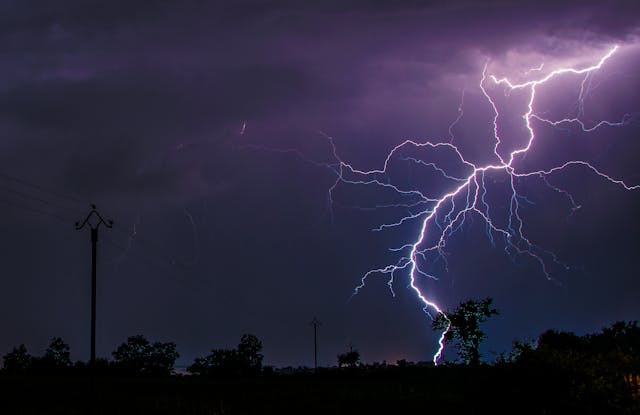
Storms and cyclones place enormous strain on every part of the power network. Lightning can strike kilometres away and still send damaging voltage spikes through overhead lines and underground cables. Heavy rain can enter poorly sealed conduits or junction boxes. Strong winds can loosen connections or damage external equipment. Any one of these events can create a fault that trips circuits, destroys electronics, or causes overheating in wiring hidden behind walls.
Many electrical problems only reveal themselves when conditions are at their worst. A cable that has slowly deteriorated over years of heat and humidity may finally fail when soaked with rain. An aging switchboard may struggle to cope with fluctuating supply during a storm. By the time the problem becomes obvious, the damage may already be done. This is why proactive inspection and maintenance are essential parts of storm preparation.
For families, the stakes are high. Electrical faults can cause shocks, fires, and long power outages that affect refrigeration, medical equipment, lighting, and communications. Preparing your electrical system in advance greatly reduces these risks and provides confidence that your home is as safe as possible when extreme weather arrives.
The invisible danger of power surges
One of the most serious but least understood storm hazards is the power surge. Lightning strikes and sudden changes in the electricity grid can cause massive spikes in voltage that travel along power lines and into homes. These surges happen in fractions of a second, but they can permanently damage televisions, computers, solar inverters, air conditioners, and modern kitchen appliances.
Many households rely on plug-in power boards for protection, but these devices offer only limited and localised defence. They cannot stop a large surge from entering the home’s wiring system. The most effective protection is a whole-house surge protection device installed at the main switchboard. This device diverts excess voltage safely to earth before it spreads through your circuits.
For Brisbane homes, where electrical storms are frequent, surge protection is not a luxury. It is a practical investment that can prevent thousands of dollars in losses. A qualified electrician from safe1electrical can assess your switchboard and recommend appropriate surge protection to suit your property and usage.
The importance of safety switches and compliant wiring
Safety switches, also known as residual current devices, are one of the most important safety features in any home. They monitor the flow of electricity and shut off power instantly if a fault is detected. During storms, when water ingress and cable damage are more likely, safety switches can prevent serious electric shock and reduce the risk of fire.
Australian standards require safety switches on most household circuits, but older homes may still have incomplete or outdated protection. Even in newer properties, safety switches should be tested regularly to ensure they operate correctly. A storm is not the time to discover that a critical safety device has failed.
Wiring condition is just as important. Over time, insulation can degrade due to heat, pests, moisture, and mechanical stress. Small cracks or exposed conductors may go unnoticed until rain or vibration triggers a fault. A pre-storm electrical inspection can identify these weaknesses and allow them to be repaired under controlled conditions, rather than during an emergency.
Outdoor equipment and exposed connections
Many of the most vulnerable electrical components in a home are located outdoors. Air conditioning units, pool pumps, garden lighting, and external power points are constantly exposed to heat, rain, and dust. During storms, these installations face even greater risk from wind-driven rain and debris.
If conduits are loose, seals are damaged, or mounting brackets are corroded, water can enter enclosures and cause short circuits or corrosion. A professional electrician will check that all outdoor wiring is properly secured, insulated, and weather resistant. This not only protects the equipment itself but also reduces the risk of faults that can affect the entire household.
For Brisbane homes with solar systems, storm preparation should also include checking the condition of rooftop cabling and inverter connections. These systems are directly exposed to lightning and extreme weather and require careful inspection to ensure continued safe operation.
Switchboards and load capacity
The switchboard is the heart of your home’s electrical system. It distributes power to every circuit and houses the devices that protect your family from faults. During a storm, the switchboard must cope with unstable supply, rapid fluctuations, and the possibility of surge events.
Older switchboards may not meet current standards or may lack space for modern protective devices. They may also use outdated fuses instead of modern circuit breakers. A switchboard health check before storm season can identify compliance issues and capacity limits that increase risk during extreme weather.
Upgrading a switchboard is not just about adding more power points or circuits. It is about ensuring that your home has the protection and resilience needed to handle the stresses of severe storms safely.
A practical storm preparation checklist
Effective storm preparation is systematic and deliberate. Working with a trusted professional ensures that nothing important is overlooked. Before the next storm season begins, homeowners should consider the following steps.
- Install or upgrade whole-house surge protection to guard against lightning and grid disturbances.
- Verify that all required safety switches are installed and tested regularly.
- Arrange a professional inspection of internal wiring, especially in older homes.
- Have all outdoor electrical equipment checked for weather resistance and secure mounting.
- Request a switchboard assessment to confirm compliance and capacity.
These measures are not complicated, but they require qualified expertise to carry out correctly and safely.
Preparation protects more than property
Storm and cyclone preparation is about more than avoiding inconvenience. It is about protecting families, preserving essential services, and reducing stress when conditions are already difficult. When the lights stay on, appliances survive, and safety systems perform as designed, the benefits of preparation become clear.
For safe1electrical, helping Brisbane homeowners prepare for severe weather is part of a broader commitment to safety and reliability. By addressing electrical risks before storms arrive, households can face the wet season with confidence rather than uncertainty.
In Queensland, extreme weather is inevitable. Electrical disasters are not. With the right preparation, professional advice, and timely maintenance, your home can be ready for the next storm or cyclone, whatever it brings.